


Beyond Borders: Indian Handicrafts' Global Appeal and International Market
Introduction:
Indian handicrafts have a rich heritage that spans centuries, reflecting the country's diverse culture, history, and craftsmanship. These intricate creations have transcended geographical boundaries, captivating the global market with their unique appeal.
This article explores the journey of Indian handicrafts in the international market, delving into the factors that contribute to their popularity, the challenges they face, and the strategies that have enabled them to thrive beyond borders.
Cultural Heritage and Artistry:
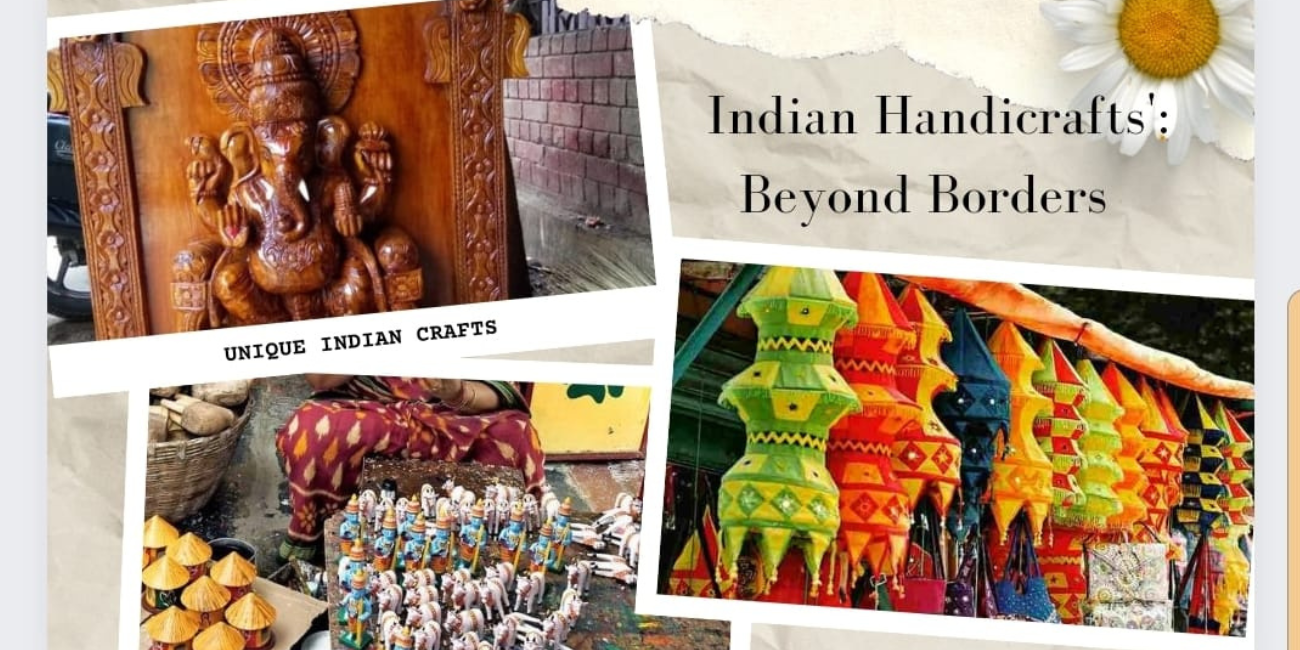
Indian handicrafts embody the soul of a nation known for its artistic imaginative ability and deep-rooted cultural traditions. From the intricately carved wooden artifacts of Rajasthan to the bamboo crafts of Assam, each craft tells a story of skilled artisans passing down their knowledge through generations. This cultural resonance resonates with international consumers seeking authenticity and a connection to the past.
Unique Appeal and Aesthetic Diversity:
The charm of Indian handicrafts lies in their diversity. India's vast landscape and cultural multiplicity have given rise to a plethora of crafts, each with its own distinctive style and techniques. Whether it's the traditional handpaintings of every state of India or the stone art and sculptures, these crafts cater to a wide range of tastes and preferences across the globe.
Sustainable and Ethical Consumption:
In an era of heightened environmental and ethical consciousness, Indian handicrafts align well with the principles of sustainable and ethical consumption. Handcrafted using traditional methods and often utilizing locally sourced materials, these products have a smaller carbon footprint compared to mass-produced alternatives. Additionally, the support of these crafts provides economic empowerment to local communities and preserves ancient skills.
Globalization and Digital Platforms:
The digital age has played a pivotal role in exposing Indian handicrafts to a global audience. Online marketplaces and social media platforms provide artisans and small businesses the opportunity to showcase their products to international customers without the constraints of physical distance. This has opened up new avenues for marketing and sales, enabling artisans to directly connect with consumers.
According to the new market research report by IMARC Group, the India handicrafts market size reached US$ 3,968.0 Million in 2022. Looking forward, IMARC Group expects the market to reach US$ 6,218.4 Million by 2028, exhibiting a growth rate (CAGR) of 7.7% during 2023-2028. Source: https://www.openpr.com/

Source: www.technavio.com
Challenges and Adaptation:
Despite their global appeal, Indian handicrafts encounter challenges in the international market. Competition from machine-made products, imitation goods, and pricing pressures pose threats. Additionally, conforming to international quality and safety standards can be demanding for small-scale artisans. To overcome these challenges, government initiatives and non-governmental organizations often provide training, resources, and assistance to ensure product quality and compliance.
Collaborations and Design Innovation:
To maintain their relevance in an evolving market, Indian handicrafts have embraced design innovation and collaborations. Contemporary designers and brands are partnering with traditional artisans to create modern products that infuse traditional techniques with a contemporary twist. These collaborations not only revitalize ancient crafts but also cater to the evolving preferences of global consumers.
The Major Destinations for Exported Handicraft Items from India are as follows:
United States of America
United Arab Emirates
Germany
United Kingdom
France
Latin American countries
Italy
Netherlands
Canada
Australia
Best Indian Handicrafts that are popular in the global market.
Several Indian handicrafts have gained significant popularity in the global market due to their exquisite craftsmanship, unique designs, and cultural significance. Here are some of the best Indian handicrafts that are loved internationally:
Block Printed Textiles: Block printing is a traditional technique used to create intricate patterns on fabrics. Products like clothing, bedspreads, and table linens featuring vibrant block prints from places like Jaipur have captured the attention of global consumers.
Jaipur Blue Pottery: Jaipur's unique blue pottery involves a delicate process of creating pottery adorned with blue and white floral motifs. The vibrant colors and distinct patterns of this pottery have made it a favorite among collectors and interior decorators.
Bidriware: Hailing from the city of Bidar, Bidriware is known for its striking silver and black metalwork. Intricate designs are etched onto metal objects like vases, trays, and jewelry boxes, creating a visually captivating contrast.
Meenakari Jewelry: Meenakari is the art of coloring and ornamenting the surface of metals, particularly jewelry. This intricate enamel work, often seen in Rajasthan, results in dazzling and colorful pieces that are cherished by jewelry enthusiasts.
Cane and Bamboo Crafts: Items crafted from cane and bamboo, such as baskets, furniture, and home decor, showcase the skill of artisans from various Indian regions. These eco-friendly products have garnered attention for their sustainability and craftsmanship.
Metal Crafts : Moradabad in Uttar Pradesh is renowned for its metal crafts, including brassware, copperware, and decorative items. The intricate designs and fine detailing of these products have made them popular in global markets.
Traditional Indian paintings: Paintings like Pattachitra, Phad, Tanjore, Madhubani, Gond, Warli, Kalamkari and Miniature paintings hold immense cultural and artistic value, and they have gained significant recognition and appreciation in the global market. These paintings offer a glimpse into India's rich history, mythology, and diverse artistic traditions.
Wood Carvings: Intricately carved wooden artifacts from regions like Rajasthan and Karnataka showcase the mastery of Indian woodworkers. From furniture to decorative items, these pieces are loved for their craftsmanship and cultural symbolism.
These Indian handicrafts exemplify the diverse artistic traditions and skills present in the country. They have not only captured the attention of global consumers but also fostered a deep appreciation for India's cultural heritage and craftsmanship on an international scale.
CraftNXT is one such platform which helps Indian art meet the global audience. We have a larger team, efficient tools and the talented artisans all over the country who are willing to make a remarkable significance in the foreign markets.
Conclusion:
Indian handicrafts have transcended their origins to become coveted items in international markets. Their appeal stems from their cultural richness, unique aesthetics, and alignment with sustainable and ethical values. Through the power of globalization and digital platforms, these crafts have found their way into the homes and hearts of people worldwide. However, ongoing support, innovation, and adaptation are crucial to ensure the continued success of Indian handicrafts beyond borders.
Recent Posts


CraftNXT | AN ONLINE INDIAN CRAFT SHOPPING PLATFORM FOR AUTHENTIC PRODUCT WITH GREAT DEALS
CraftNXT is a digital platform for some of the world’s oldest and most intricate craft forms.
Follow Us
Mobile Apps